
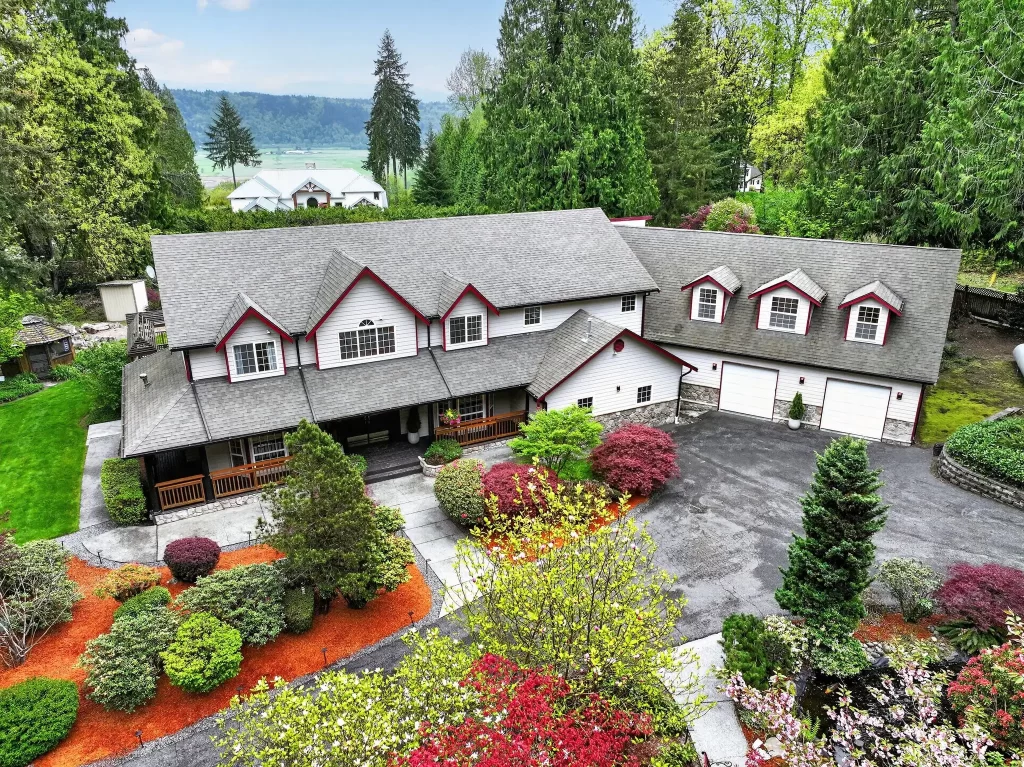
Seattle is one of those rare places where outdoor living isn’t limited to weekends or summer vacations. A forest trail, saltwater beach, mountain view, or bike path can be part of your everyday routine: sometimes just minutes from your front door.
Of course, the best neighborhood for you depends on more than scenery. Commute, home style, budget, schools, lot size, and access to parks all matter. As a local Seattle mortgage and real estate team, we think the most successful home search starts by connecting the way you want to live with the property you purchase.
Below are five Seattle-area neighborhoods and communities where nature is more than a backdrop: it’s part of the lifestyle.
A note on prices: The ranges below are practical planning estimates for August 2026, based on recent market reports and local submarket trends. They are not appraisals or guarantees. Property type, condition, lot size, views, and exact location can move the price substantially.
1. West Seattle: Beach walks, forest trails, and space to breathe
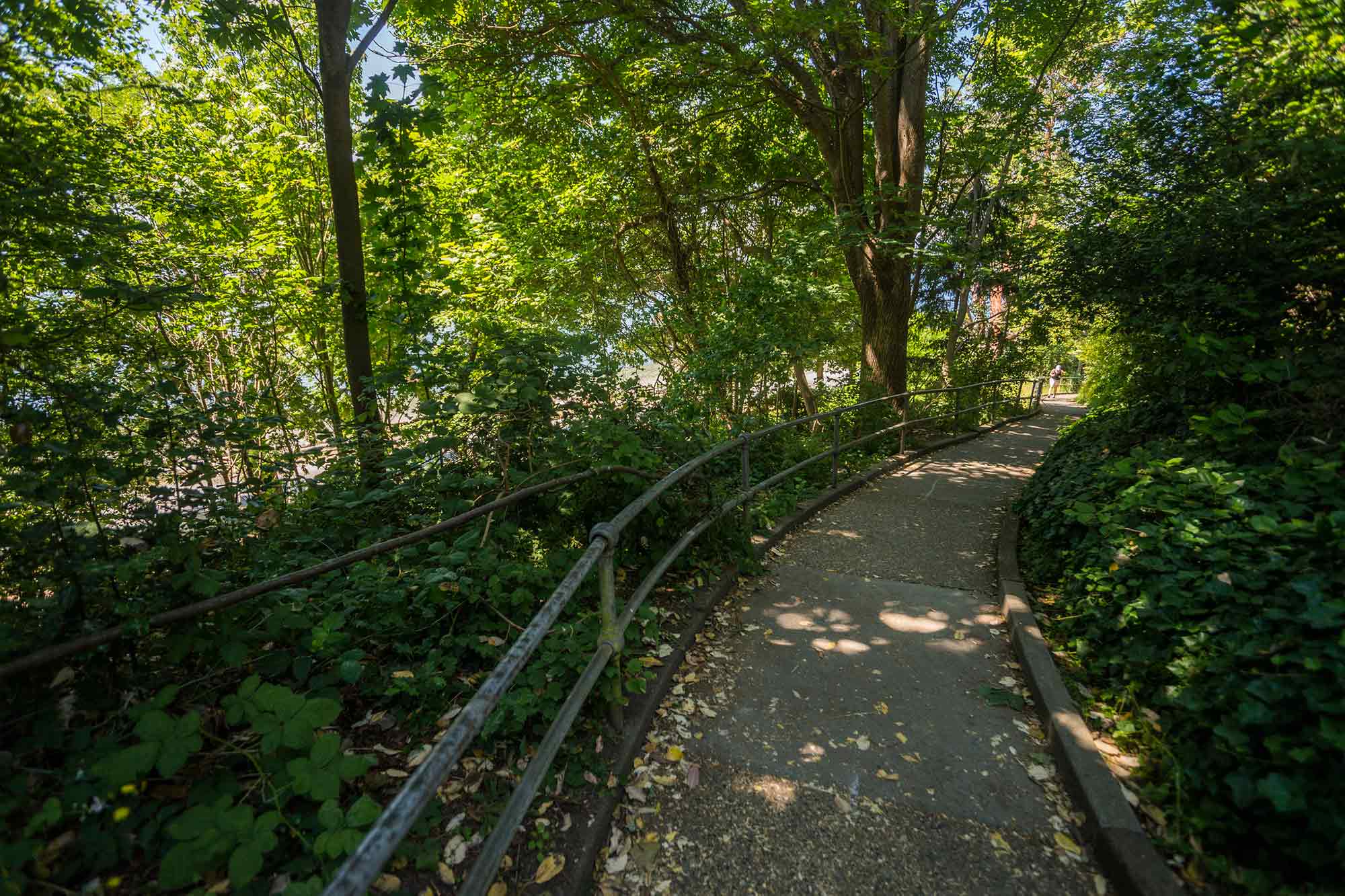
West Seattle is a natural fit for buyers who want a strong neighborhood feel without giving up easy access to the water and green space. You can spend a morning walking the Alki waterfront, explore the trails at Schmitz Preserve Park, or head to Lincoln Park for a mix of forest, beach, playfields, and Puget Sound views.
According to Seattle Parks and Recreation, Lincoln Park includes 4.6 miles of walking paths, bike trails, picnic areas, beaches, and the heated saltwater Colman Pool. That kind of variety makes West Seattle especially appealing to families, dog owners, runners, and anyone who wants outdoor options close to home.
Housing ranges from classic mid-century homes and updated craftsman-style properties to townhomes and condos. Many streets offer mature landscaping and larger lots than you’ll find in some central Seattle neighborhoods.
Typical 2026 planning range: Approximately $800,000–$950,000 for many single-family homes, with condos and townhomes often below that and view properties considerably higher.
Mortgage tip: West Seattle homes can vary widely in condition. If you’re considering an older home, ask your lender how renovations, a permitted addition, or energy-efficiency upgrades could affect your financing. A renovation loan may be worth exploring before you fall in love with a fixer-upper.
2. Ballard: Waterfront energy with trails and parks nearby
Ballard offers a lively mix of restaurants, shops, breweries, historic homes, new construction, and access to some of North Seattle’s best outdoor spaces. It’s a good choice for buyers who want to walk to daily conveniences but still have room for biking, running, kayaking, and weekend exploring.
The Burke-Gilman Trail is one of the area’s biggest lifestyle advantages. It connects Ballard with other Seattle neighborhoods and creates a practical route for both recreation and commuting. Nearby Carkeek Park adds a more natural setting, with forested ravines, creeks, meadows, wetlands, beach access, and views of Puget Sound and the Olympic Mountains.
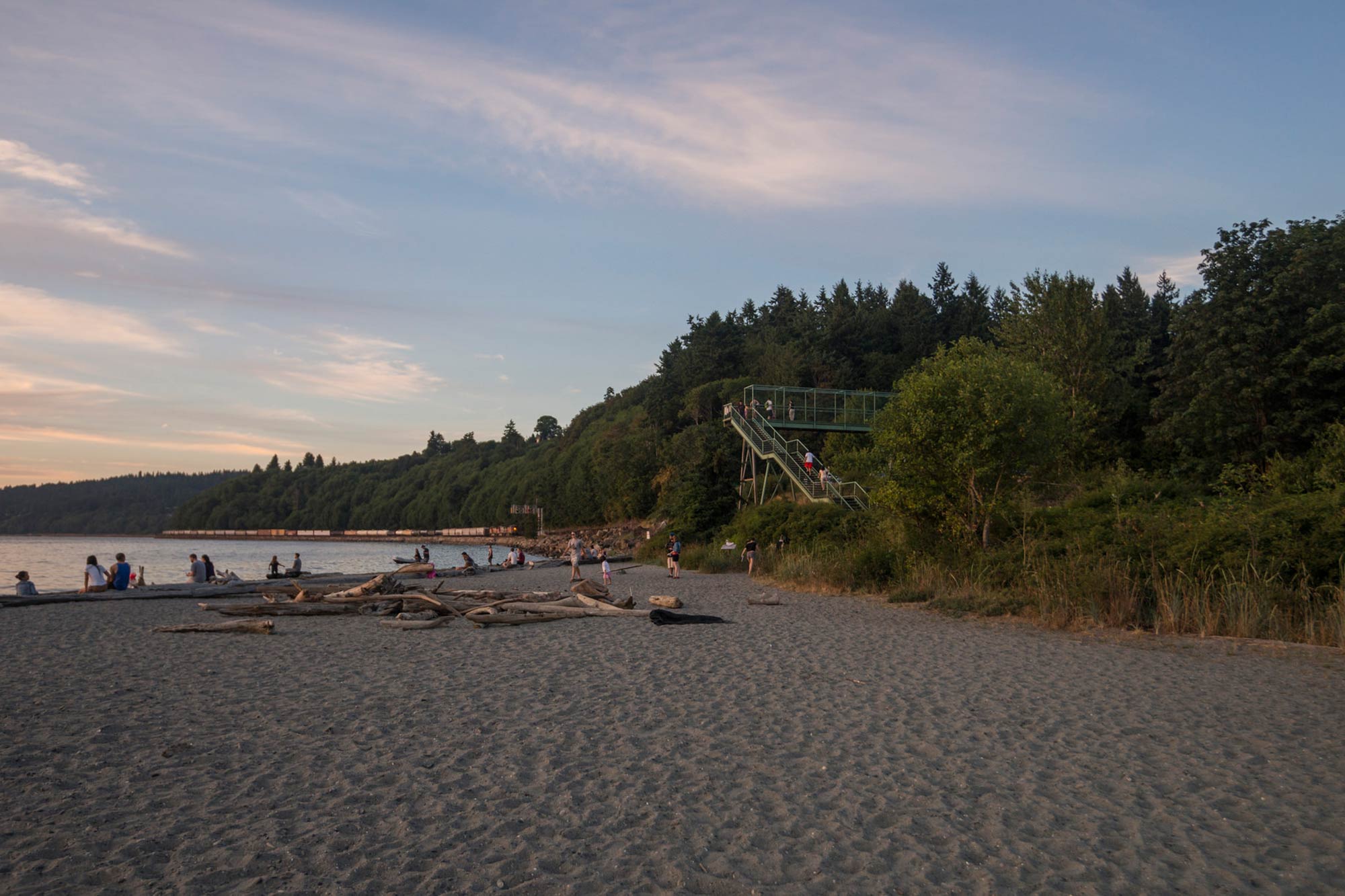
As of August 2026, Seattle Parks notes that portions of Carkeek Park are affected by a playground renovation project beginning August 3. The park remains a valuable outdoor resource, but it’s always smart to check current park updates before planning a visit.
Ballard housing is diverse. You’ll find smaller bungalows, craftsman homes, townhomes, condos, and newer single-family construction. Buyers who prioritize walkability may accept a smaller lot, while others look toward Sunset Hill or Loyal Heights for more space and views.
Typical 2026 planning range: Approximately $825,000–$975,000 for many single-family homes, with condos and townhomes offering lower entry points.
Mortgage tip: Ballard’s townhome inventory can include different ownership structures and homeowners association arrangements. Have your lender review the project early, especially if you’re purchasing a condo or townhome, since the building’s financials and insurance can affect loan approval.
3. Magnolia: A quieter setting next to Discovery Park
Magnolia is ideal for buyers who want a peaceful residential atmosphere and immediate access to one of Seattle’s most impressive natural areas. The neighborhood has a more spacious, tucked-away feel, with tree-lined streets, larger lots, and a mix of mid-century homes, remodeled properties, and view residences.
The centerpiece is Discovery Park, Seattle’s largest park. This 560-acre natural area includes protected tidal beaches, meadows, forest groves, sea cliffs, streams, dunes, and wide-open views toward the Olympic and Cascade mountains. The park’s trails lead to the West Point Lighthouse and provide a remarkable escape without leaving the city.
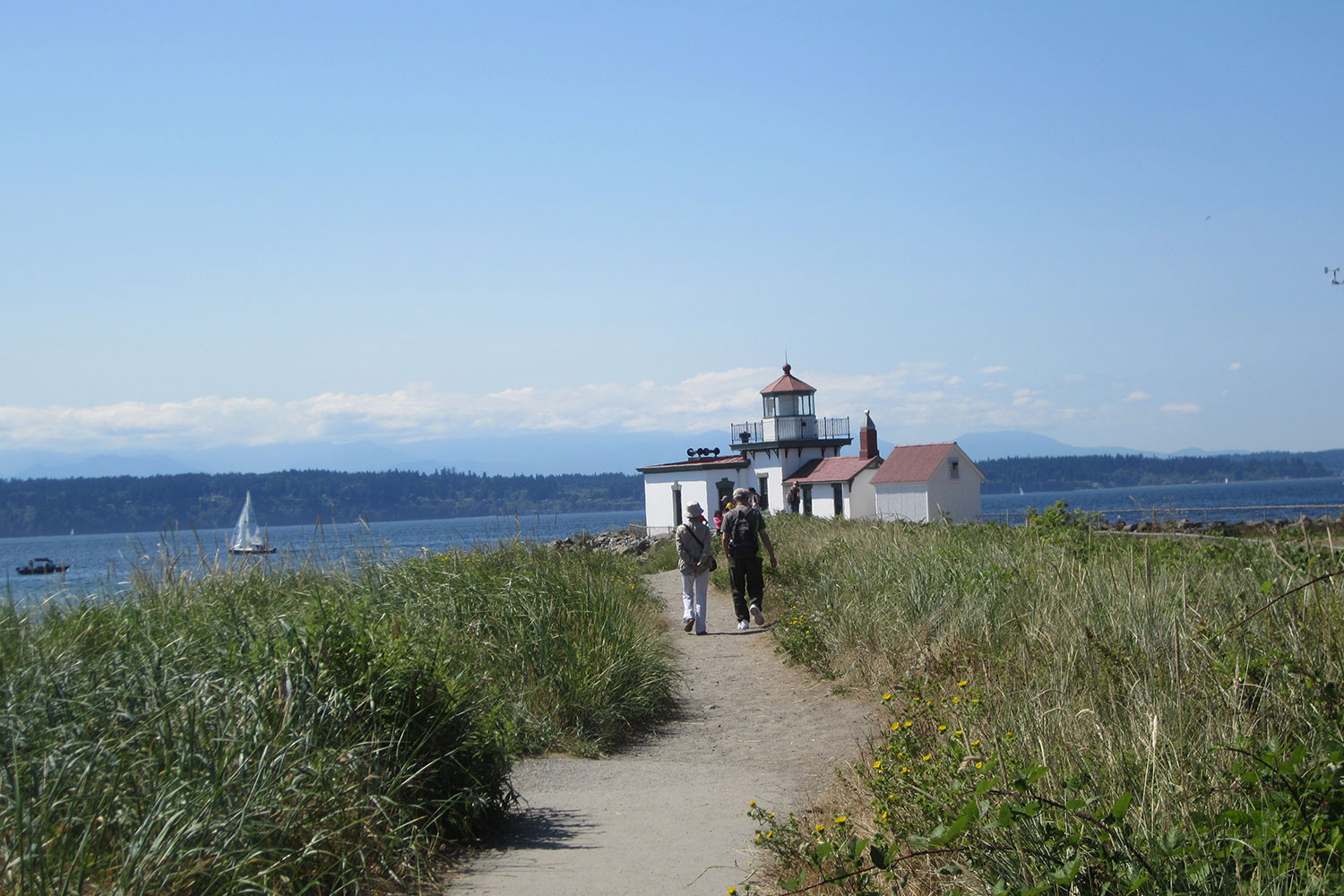
There are a few timely details to know in August 2026. The Discovery Park Visitor Center is closed until summer 2027, and beach-level parking is restricted except for visitors with ADA placards. A free summer shuttle operates on select days through September 5, 2026. Check the official Discovery Park page for current access information.
Magnolia’s homes tend to command a premium because of the neighborhood’s privacy, park access, views, and larger lots. It can be a strong match for families, gardeners, remote workers, and buyers who want a slower pace while remaining within Seattle.
Typical 2026 planning range: Approximately $1.0 million–$1.3 million for many single-family homes, with exceptional view properties and extensively renovated homes above that range.
Mortgage tip: In Magnolia, the lot and location can be just as important as the house itself. If you’re considering a property near a bluff, steep slope, or shoreline, talk with your lender and insurance professional early. Property condition, access, drainage, and insurance availability can all affect the transaction.
4. Issaquah: Mountain trails right outside town
For buyers who want true foothill living, Issaquah is hard to overlook. The community sits near the Issaquah Alps, with quick access to Cougar Mountain, Squak Mountain, Tiger Mountain, and a wide network of forest trails.
The outdoor lifestyle here is active and year-round. You can hike through mossy forests, look for seasonal wildflowers, explore waterfall routes, or climb to viewpoints overlooking Lake Sammamish and the Eastside. One popular example is Poo Poo Point, a 7.2-mile round-trip hike with 1,748 feet of elevation gain and expansive mountain and valley views.
Issaquah also offers a useful balance for families: parks, trails, schools, shopping, and access to Interstate 90 are all part of the everyday picture. Housing includes established neighborhoods, newer planned communities, townhomes, and homes with more yard space than many Seattle neighborhoods.
Typical 2026 planning range: Approximately $1.2 million–$1.5 million for many single-family homes. Newer construction, larger lots, and view properties may run higher.
Mortgage tip: Issaquah buyers should consider commute costs alongside the monthly mortgage payment. A home farther from Seattle may offer more space, but the tradeoff could include fuel, tolls, or time in the car. Build the full lifestyle budget: not just the loan amount: before making an offer.
5. Redmond: Regional trails, parks, and everyday convenience
Redmond is a strong option for buyers searching for a balance of technology-sector access, suburban convenience, and outdoor recreation. It’s especially appealing to people who want to bike, run, walk, or enjoy open space without driving to a trailhead every time.
Marymoor Park is the area’s major outdoor anchor. The Sammamish River Trail connects Marymoor Park with Bothell and the broader regional trail system. The mostly paved route is suitable for walking, running, cycling, skating, strollers, and wheelchairs. Redmond also connects to the East Lake Sammamish Trail, creating longer off-street routes toward Issaquah and other Eastside communities.
For many buyers, Redmond’s appeal is that outdoor living works on a Tuesday evening: not just during a Saturday adventure. A ride along the river, a walk after work, or time at a nearby park can become part of the daily routine.
Typical 2026 planning range: Approximately $1.3 million–$1.6 million for many single-family homes, with townhomes and condos offering lower price points and newer or larger homes reaching higher.
Mortgage tip: If you’re comparing Redmond with Bellevue, Kirkland, Bothell, or other Eastside communities, get preapproved based on a realistic monthly payment rather than the maximum amount a lender may approve. HOA dues, property taxes, commuting expenses, and potential childcare costs can make a meaningful difference.
Finding the right outdoor lifestyle: and the right loan
Searching for Seattle homes for sale can quickly turn into a long list of neighborhoods and tradeoffs. Maybe you begin with “homes for sale near me,” then compare homes for sale Redmond, homes for sale Bothell, homes for sale Bellevue, or homes for sale Lynnwood. That’s normal. The right location often becomes clearer when you define what outdoor living means to you.
Do you want a beach walk before breakfast? A forest trail within five minutes? A large backyard for gardening? A flat regional bike path? Mountain access? Room for outdoor gear?
Once you know that, your financing strategy can follow. A strong preapproval helps you understand your actual purchasing power, expected cash to close, and monthly payment before you start competing for a home.
At Why Not Own, we bring mortgage financing and residential real estate brokerage together under one roof. With more than 35 years of living and working in the greater Seattle area and more than 20 years helping clients, we understand how much the relationship between a home and its surroundings matters.
The best home isn’t simply the one with the right number of bedrooms. It’s the one that supports the way you want to spend your time: indoors and out.